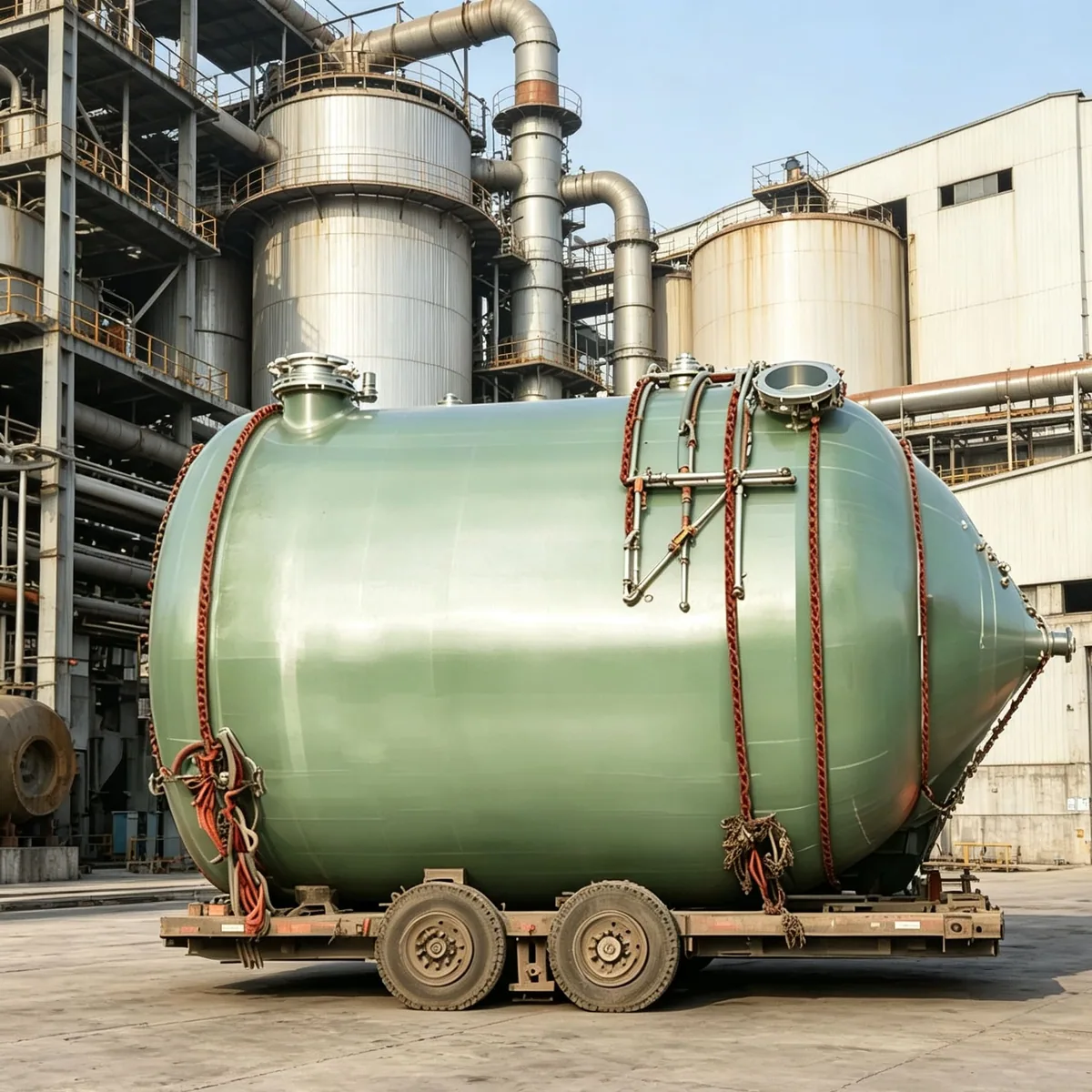
Agitator Reactor
Cylindrical or square vessel with an internal stirring device, suitable for liquid phase reactions requiring good mixing.
A chemical reactor is a pressure vessel engineered to contain and control a chemical reaction. Center Enamel supplies custom-engineered agitated, tubular, fixed bed, tower, fluidized bed and bioreactor configurations, with heating, cooling and mixing systems matched to the process.
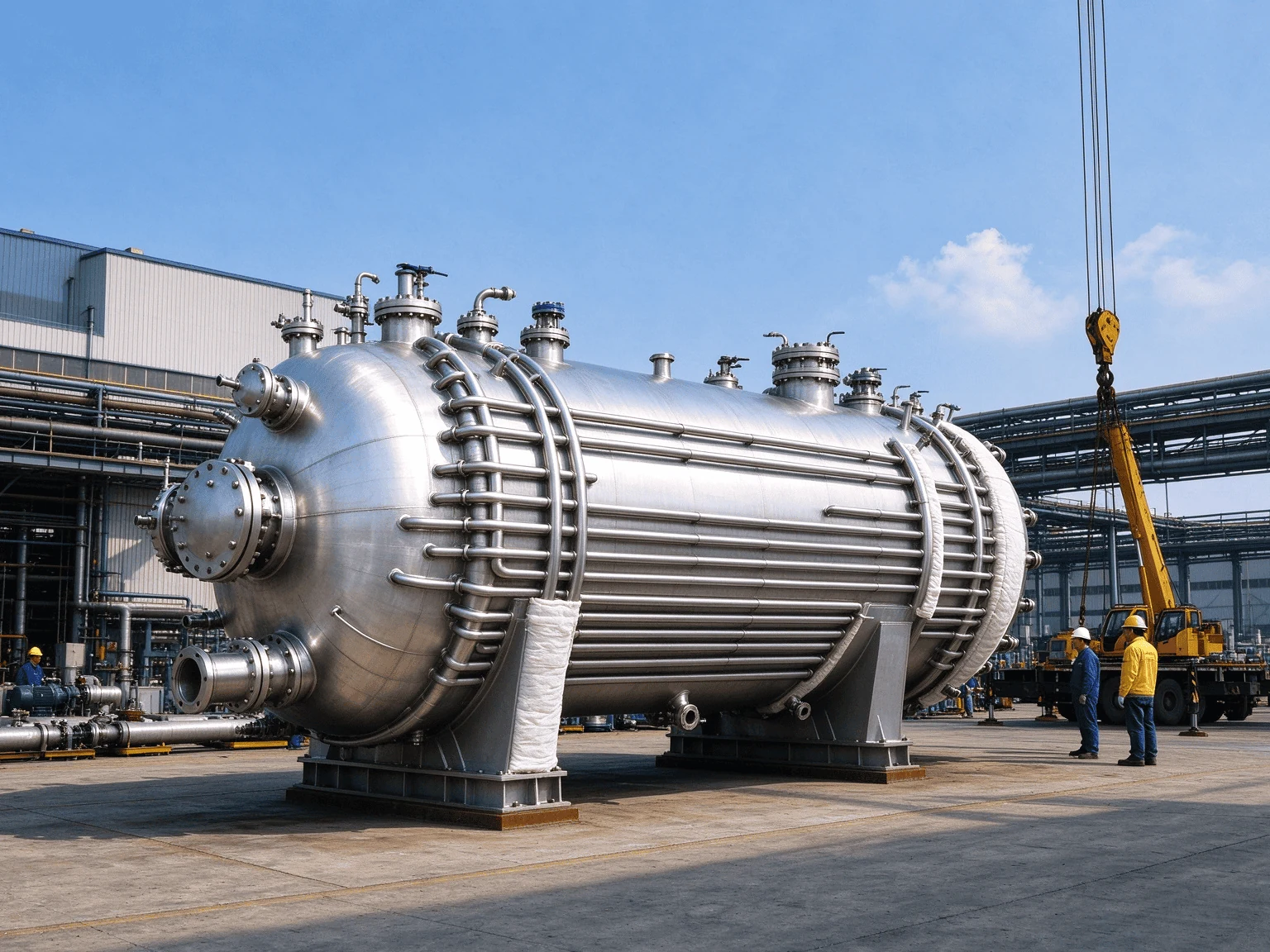
A chemical reactor is a vessel designed to hold reactants under controlled conditions of temperature, pressure and mixing so that a chemical reaction can proceed safely and repeatably. Reactors are classified by structure (agitated stirred tank, tubular, tower, fluidized bed, fixed bed, bioreactor), by orientation (vertical or horizontal), and by the way heat is added or removed (jacket, external half-pipe coil or internal coil).
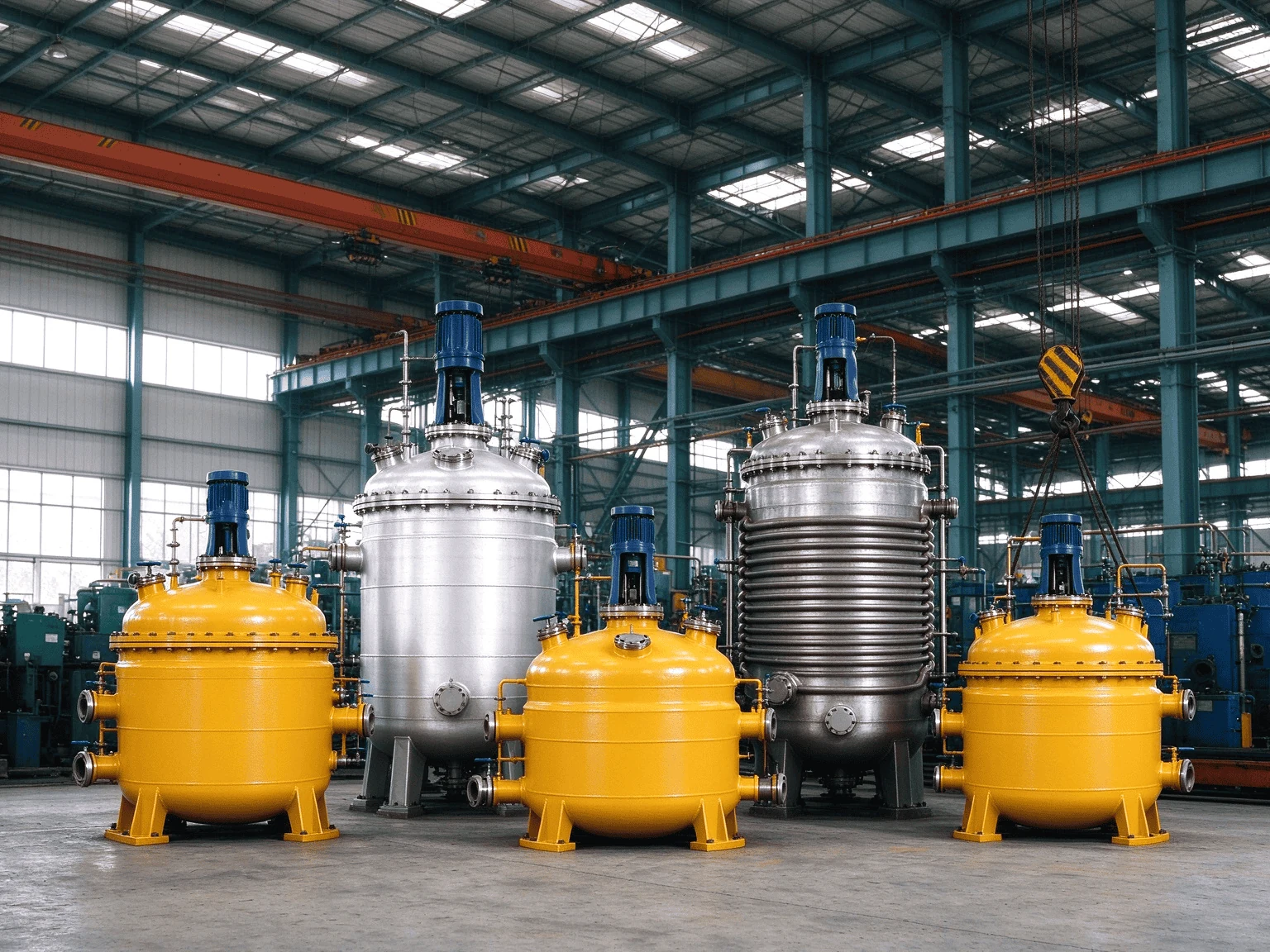
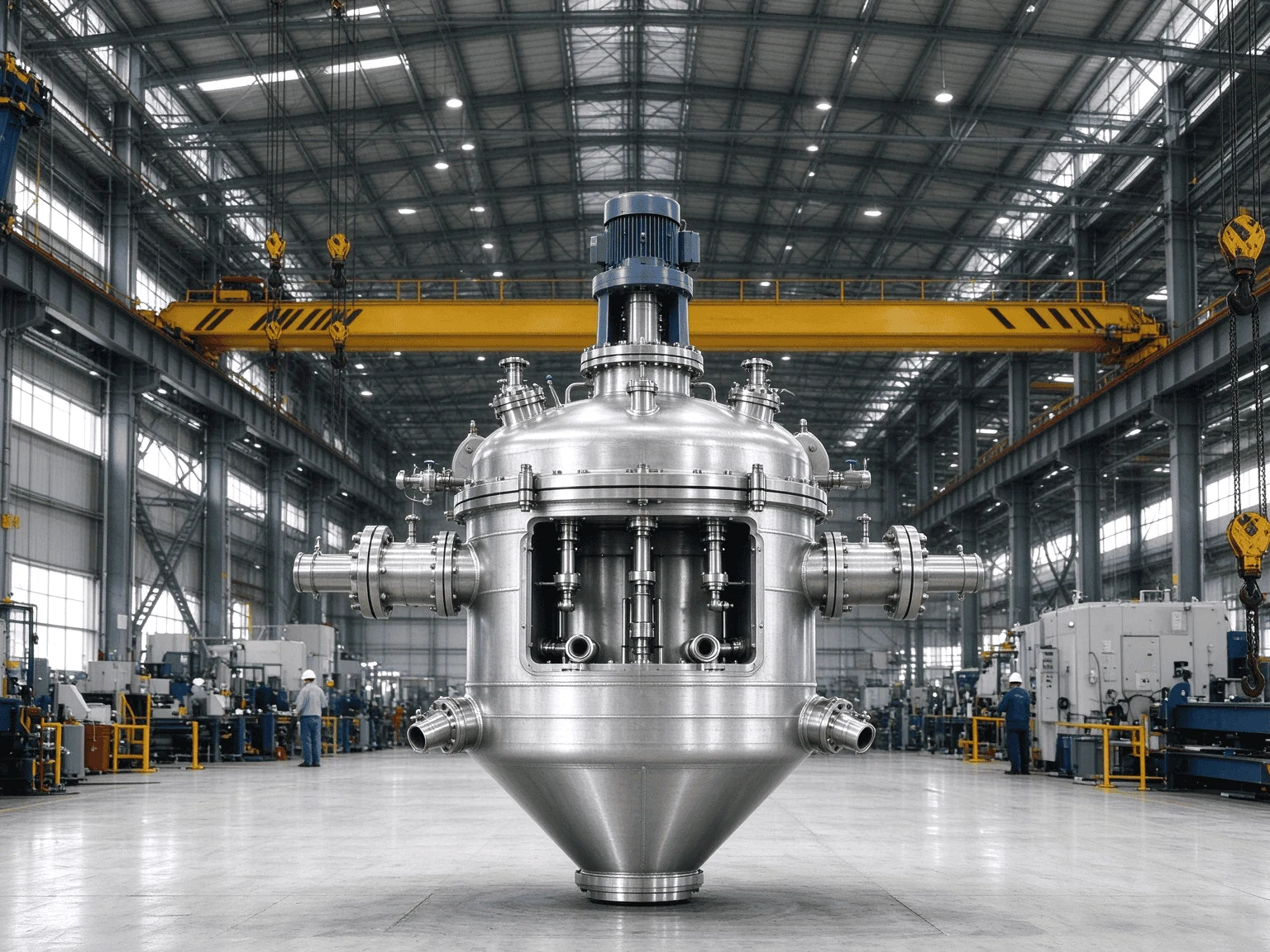
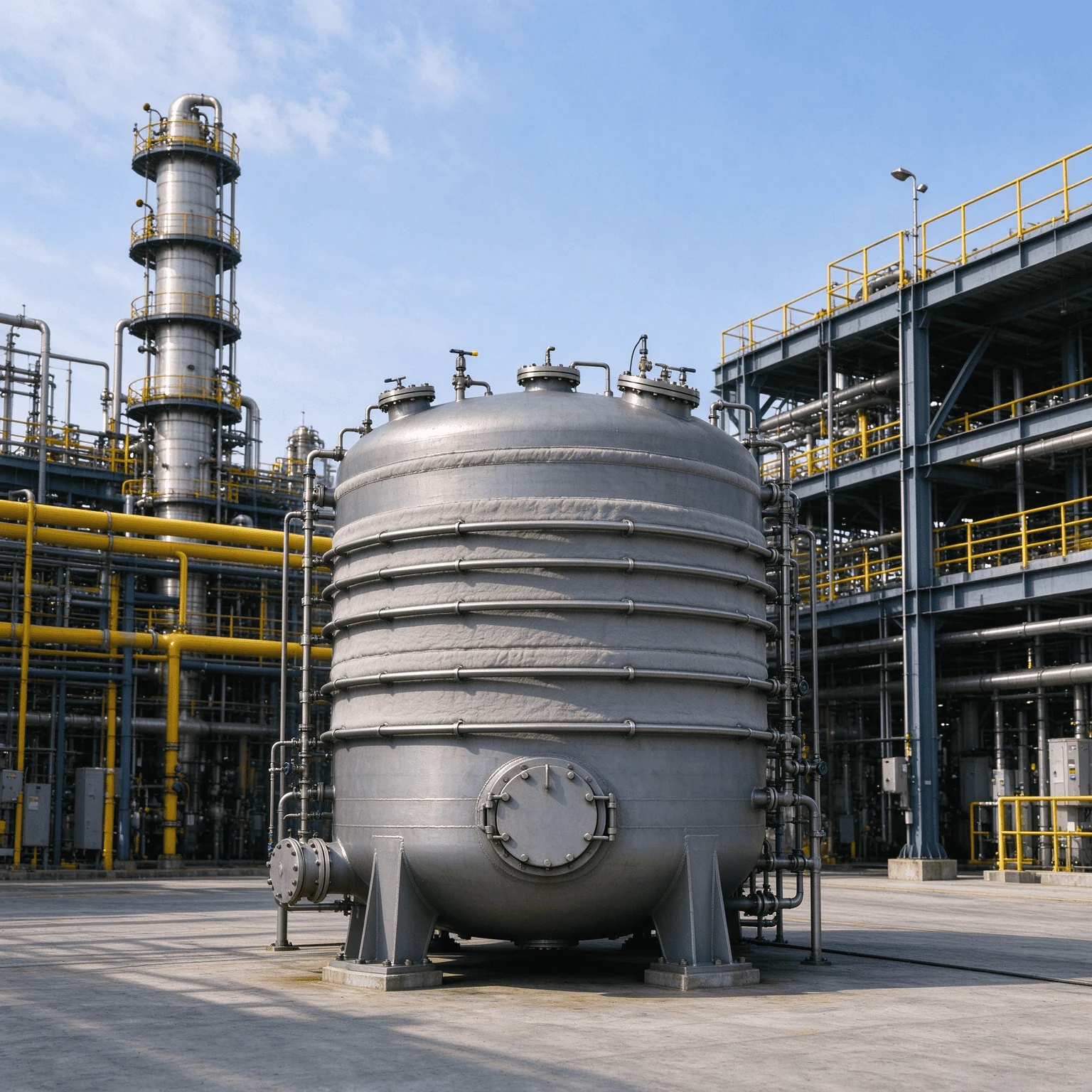
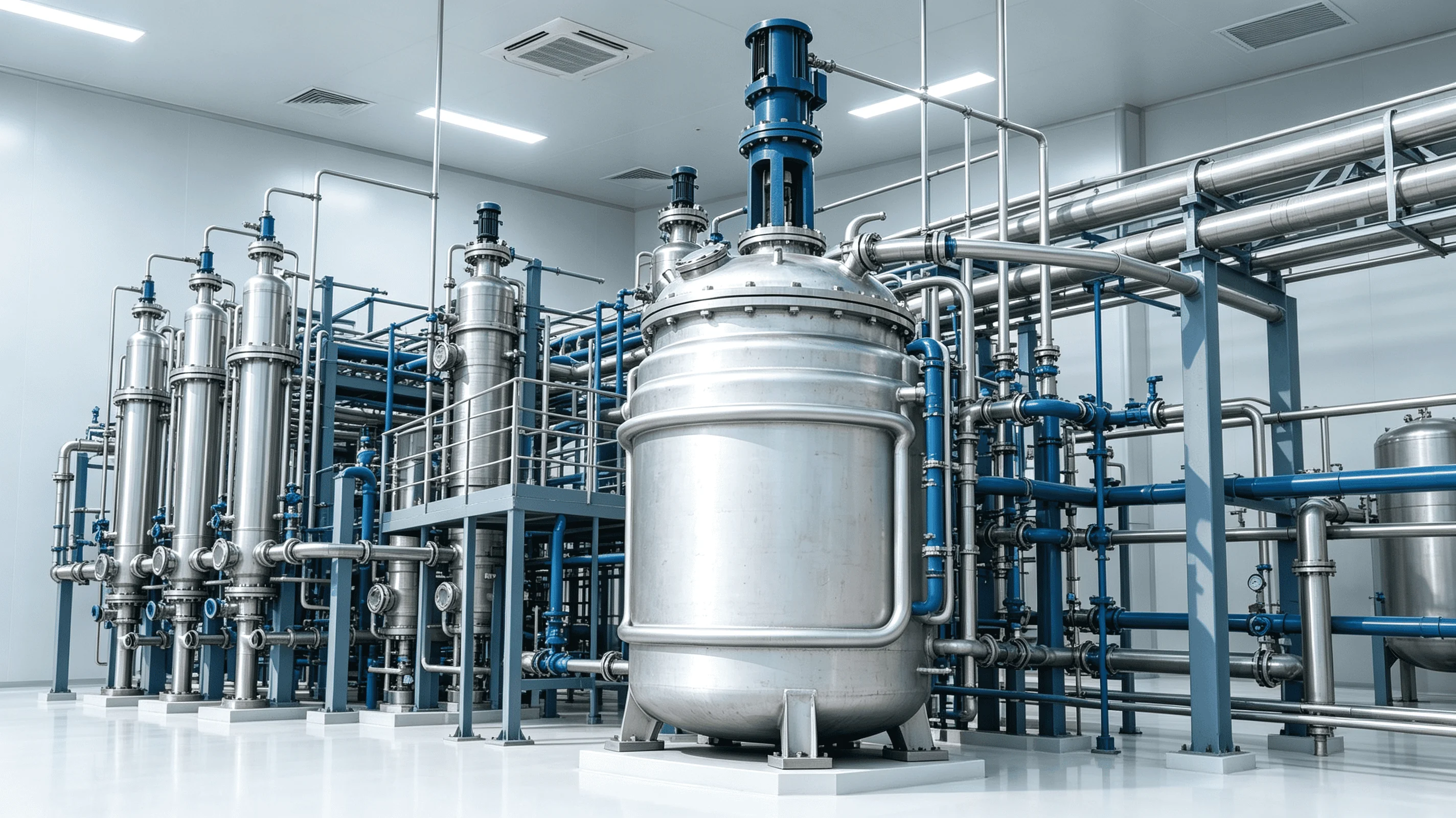
Cylindrical or square vessel with an internal stirring device, suitable for liquid phase reactions requiring good mixing.
High specific surface area for gas-liquid or liquid-liquid reactions, commonly used in absorption and washing processes.
Solid catalyst flows with gas or liquid as particles to create a fluidized state with strong heat and mass transfer.
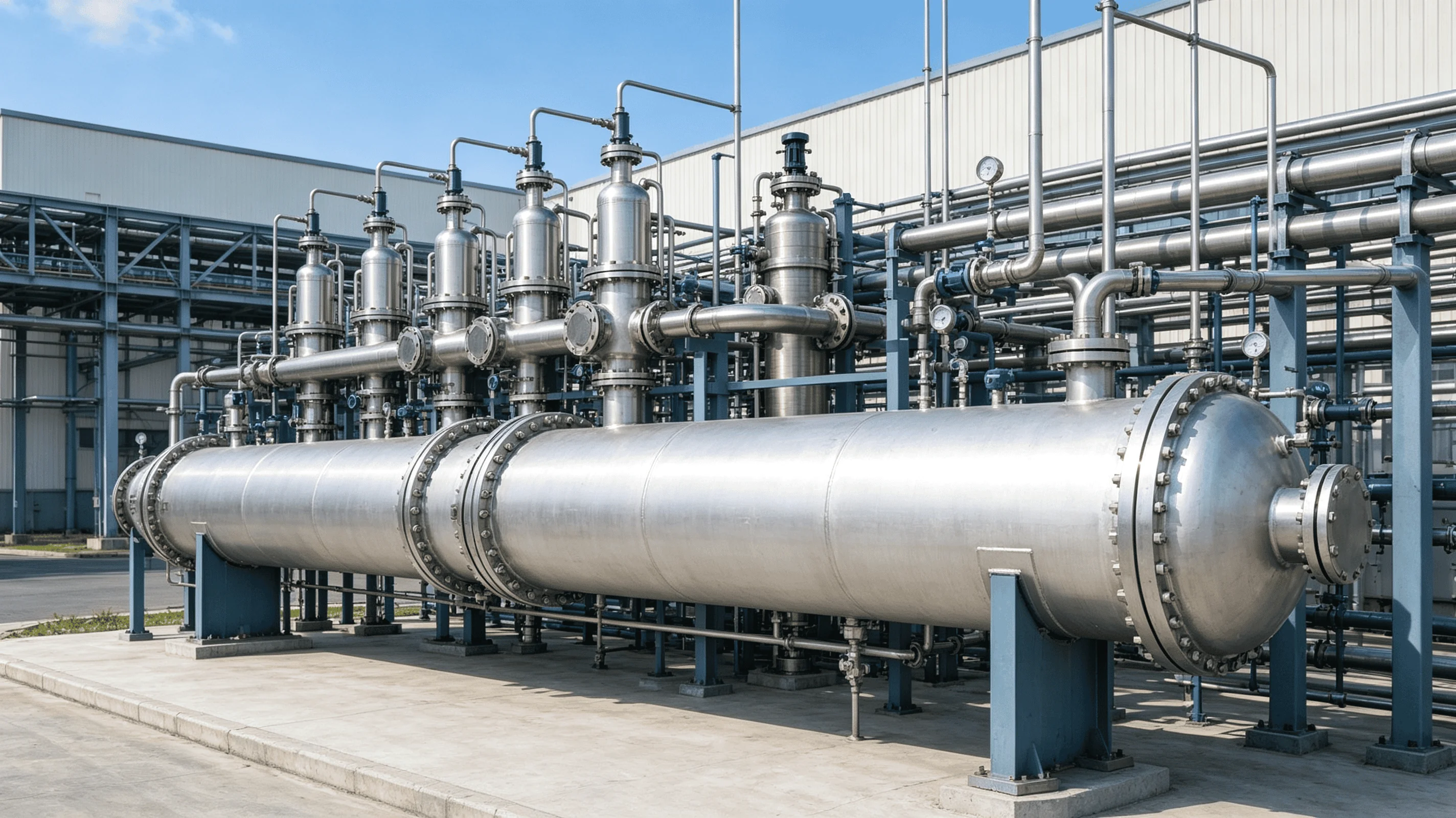
Long straight tube where reactants flow along the tube length; suitable for gas or liquid phase reactions with high heat and mass transfer efficiency.
Vessel filled with a fixed solid catalyst bed through which reactants pass, for gas-solid or liquid-solid reactions.
Provides a controlled environment for microorganisms or cells, used in biotransformation and fermentation processes.
Upright cylindrical body with a flat or dished bottom and top head; a vertical centrally mounted agitator shaft and multi-layer impellers.
Horizontal cylindrical body with elliptical or dished heads and a horizontal agitator shaft, offering a long material flow path for thorough mixing.
Modular configuration supporting electric, steam or thermal oil heating, interchangeable agitators, precise temperature and pressure control, and online analysis.
A tubular reactor is a continuous-flow chemical reactor with a simple structure and high reaction efficiency. Reactants enter continuously at the inlet and products discharge continuously at the outlet, with the reaction taking place along the flow direction inside the tubular cavity. High mass and heat transfer efficiency, stable operation and strong customization capability make tubular reactors suitable for gas-phase, gas-liquid and heterogeneous catalytic processes.
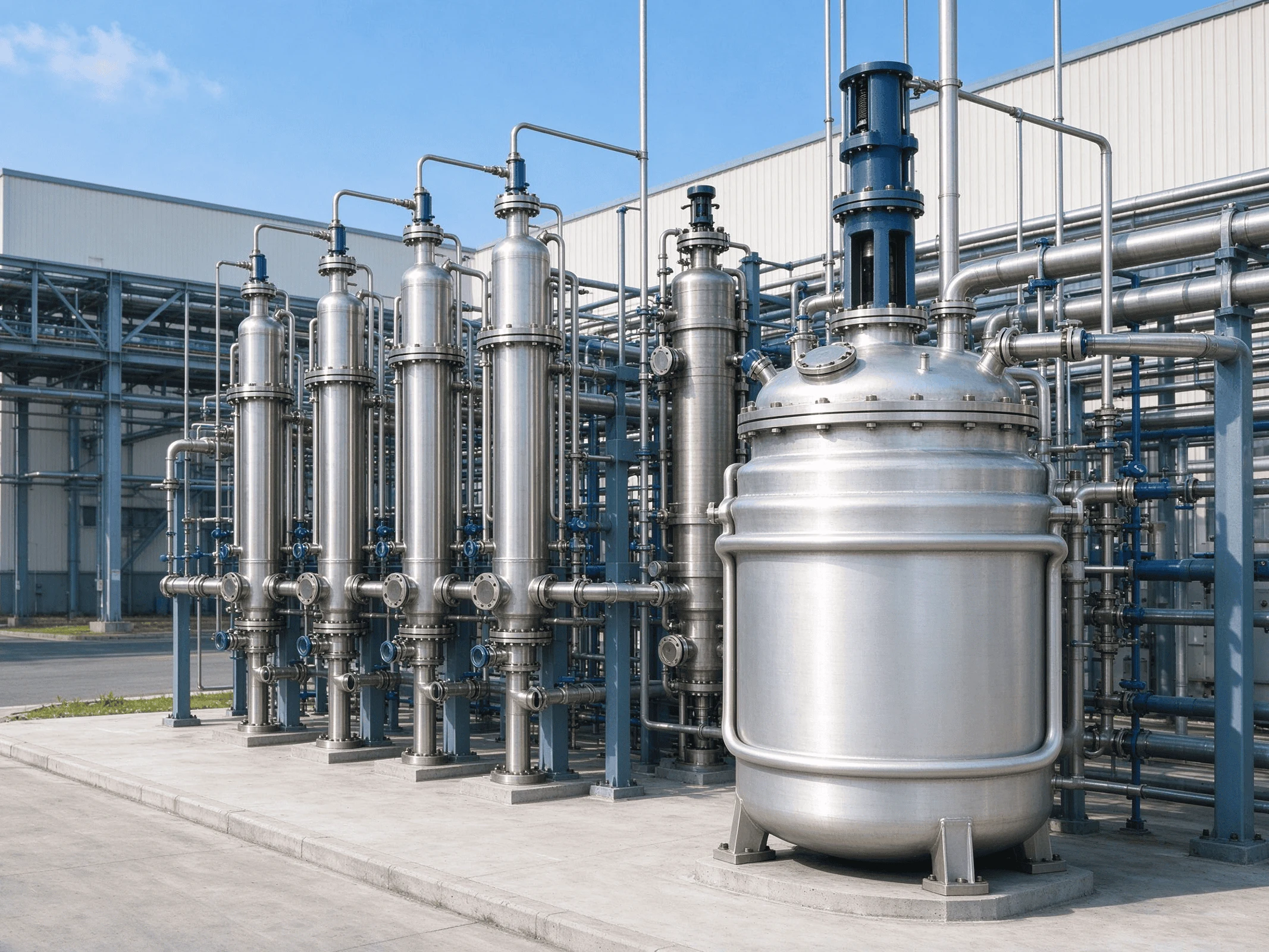
A fixed bed reactor relies on heterogeneous catalytic reactions over a stationary catalyst bed. Fluid reactants are distributed by the feed distribution system and flow axially or radially through the bed. Reactant molecules adsorb onto active sites, react and desorb as products, while the catalyst remains stationary. The documented design delivers plug flow with no axial backmixing, high catalyst utilisation and stable long-term continuous operation.
A five-stage controlled workflow from incoming material verification to final delivery.
Material verification and incoming inspection before fabrication begins.
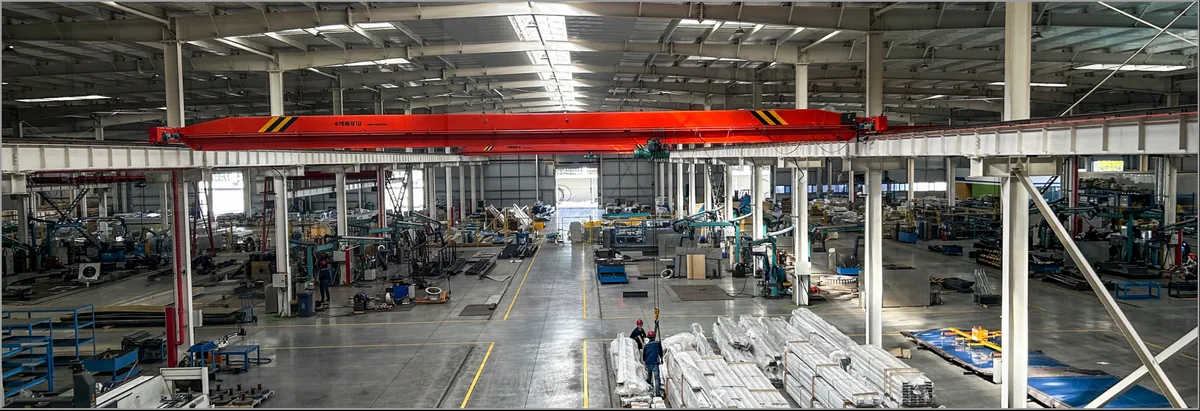
Cutting, machining, forming and assembly of the vessel shell and components.
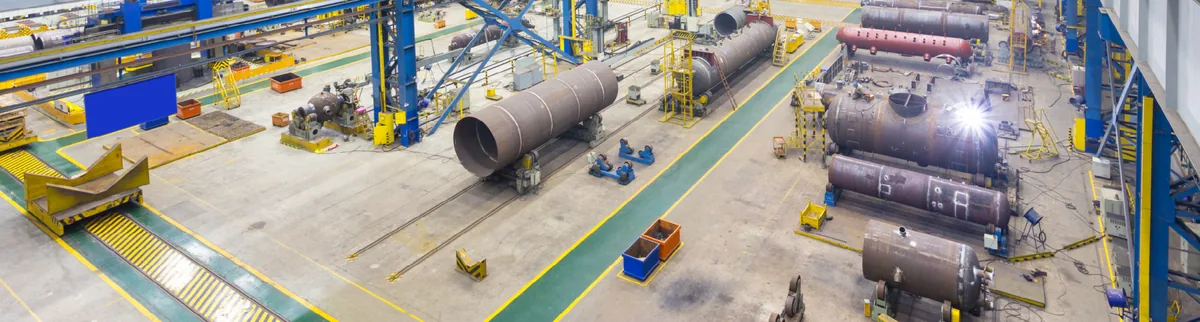
Welding under WPS/PQR control, with post-weld heat treatment when required.
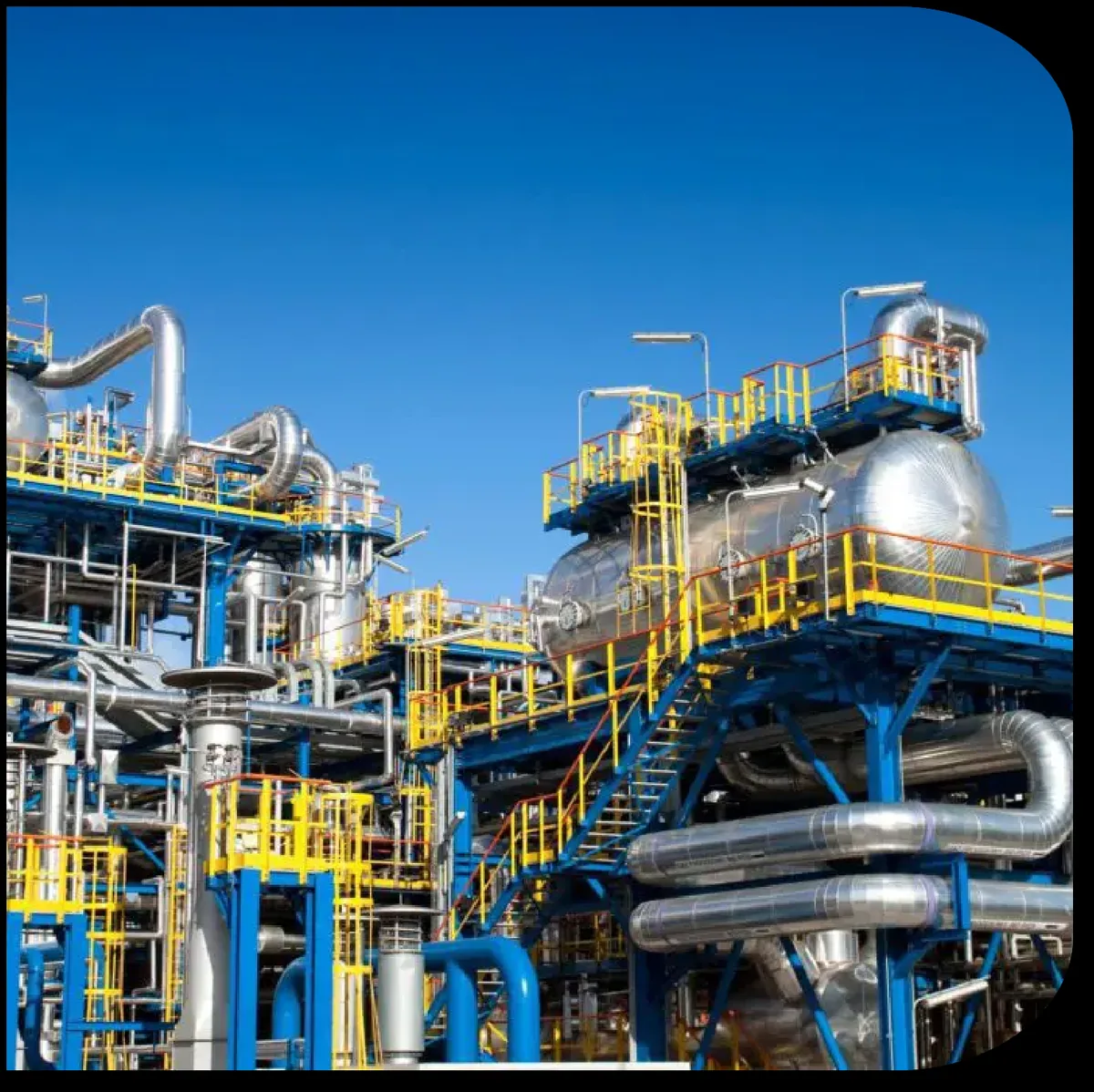
Non-destructive testing, dimensional inspection and hydrostatic testing.
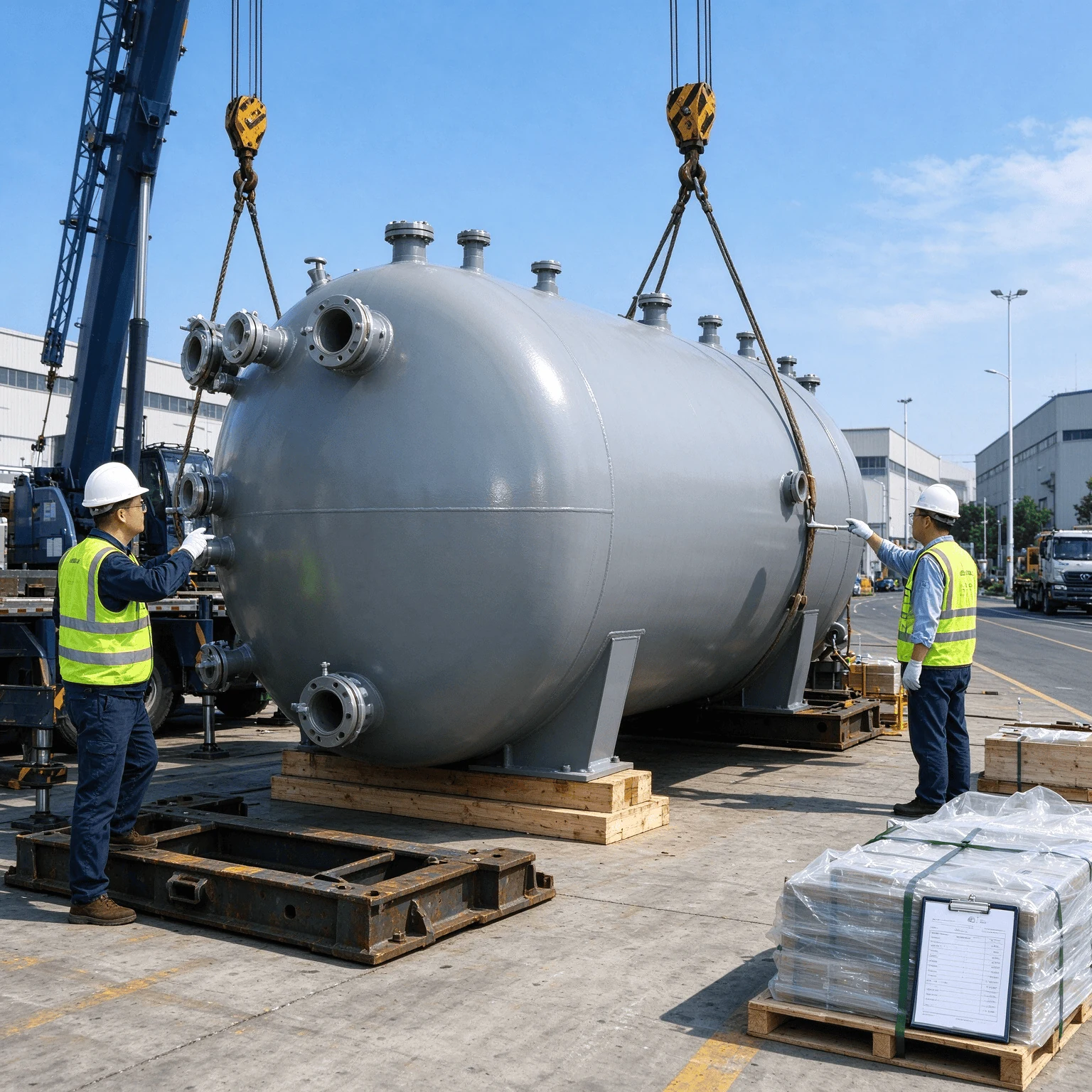
Surface finishing, project documentation, packing and shipment.
Only parameters published in the company documentation are listed. Project-specific values are confirmed during engineering review.
| Parameter | Documented Value | Notes |
|---|---|---|
| Design Codes | ASME BPVC Section VIII Div. 1, PED, BS EN 13445, GB Standards | Selected with the customer based on project location and applicable regulations. |
| Vessel Materials | Carbon steel, stainless steel (304/304L, 316/316L), titanium | Material grade selected for the process media and corrosion requirements. |
| Heating Options | Jacket, external half-pipe, internal coil, electric, steam or thermal oil | Configuration depends on the process temperature profile. |
| Pressure Control Accuracy | ±0.01 MPa | Documented for fixed bed reactor designs with over-temperature / over-pressure alarms and interlocks. |
| Temperature Control | Independent multi-zone control, multi-point temperature measurement | Documented for fixed bed reactor designs. |
| Weld Examination | 100% non-destructive testing of welds | Documented for fixed bed reactor design and manufacturing. |
| Design / Working Pressure & Temperature | Project-specific - not published | Confirmed during engineering review against your process data. No value is assumed here. |
| Volume / Working Volume | Custom - not published | Determined by batch size, residence time and process requirements. |
Note: design pressure, working pressure, design temperature, working temperature and vessel volume are not published as fixed catalogue values. They are engineered per project.
| Material Grade | Corrosion Resistance | Applicable Media | Operating Temperature Limit |
|---|---|---|---|
| 304 / 304L Stainless Steel | Resists weak acid, weak alkali and organic solvents | Dilute sulfuric acid (≤5%), dilute hydrochloric acid (≤5%), ethanol, methanol | ≤ 600 °C |
| 316 / 316L Stainless Steel | Resists moderate acid, alkali and chloride ions | Seawater, dilute nitric acid, acetic acid, chloride-containing organic media | ≤ 650 °C |
Optimized catalyst bed and feed distribution system for uniform fluid distribution; radial flow bed design for large-diameter reactors to reduce pressure drop.
Independent multi-zone temperature control, multi-point measurement, ±0.01 MPa pressure control accuracy and over-temperature / over-pressure interlocks.
Quality raw materials, advanced welding and heat treatment, and 100% non-destructive testing of all welds.
Standard-compliant sanitary reactors with dead-space-free design for pharmaceutical and food applications.
Structural design, material selection, manufacturing, on-site installation and commissioning.
Installation guidance, commissioning, operator training, follow-up and maintenance services.
| Industry | Core Process Characteristics | Applicable Reactor Types |
|---|---|---|
| Petroleum Processing | High temperature, pressure, large-scale continuous production | Hydrogenation reactor, reforming reactor, tubular reactor |
| Petrochemical Industry | Heterogeneous catalytic reactions requiring high product selectivity | Cracking reactor, polymerization reactor, hydrogenation reactor |
| Fine Chemicals | High selectivity, precise synthesis of special intermediates | Batch reactor, continuous flow tubular reactor, catalytic reactor |
| Pharmaceutical Industry | Sanitary grade, low flow rate, high product purity | Sanitary reactor, clean tubular reactor, enzymatic reactor |
| Ammonia / Methanol Synthesis | High temperature and pressure, continuous synthesis | Ammonia converter, methanol reactor, high-pressure tubular reactor |
| Environmental Protection | Compliance, pollutant conversion, resource utilization | Catalytic oxidation reactor, SCR reactor, wastewater catalytic reactor |
| Food Processing | Food-grade sanitary requirements, mild reactions | Food-grade reactor, sanitary hydrogenation reactor |
| Polymer Production | Continuous polymerization, uniform molecular weight | Polymerization reactor, continuous tubular reactor |
| Alternative Energy | Green production, clean synthesis | Fischer-Tropsch reactor, ammonia converter, biodiesel reactor |
Review of process medium, operating conditions and code requirements.
Engineering team reviews customer drawings and project documentation.
Cutting, forming, welding, heat treatment and assembly under controlled procedures.
NDT, hydrostatic testing, final inspection, documentation and shipment.
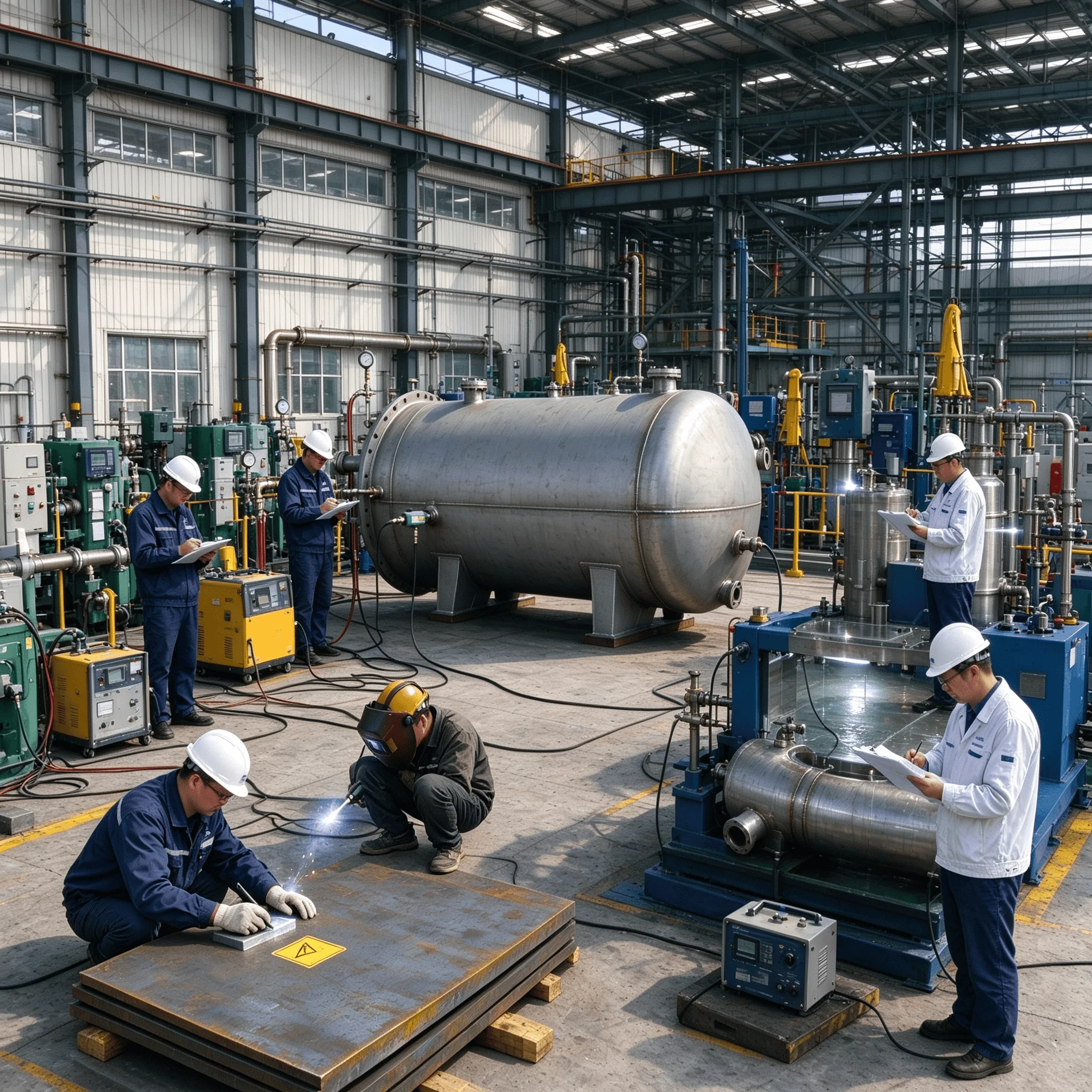
Steel supplied by qualified domestic mills; material verification and incoming inspection.
WPS/PQR controlled welding performed with advanced welding equipment.
NDT carried out on welds and pressure boundaries prior to pressure testing.
Hydrostatic and pressure testing performed as part of final verification.
Dimensional checks, surface finishing and complete quality documentation before shipment.
A chemical reactor is a vessel engineered to contain and control a chemical reaction. Depending on the process it may be an agitated stirred-tank reactor, a tubular reactor, a fixed bed reactor, a tower reactor, a fluidized bed reactor or a bioreactor, with heating, cooling and mixing systems sized to the required operating conditions.
The engineering team supports code selection based on customer requirements, project location and applicable regulations, including ASME BPVC Section VIII Division 1, PED, BS EN 13445 and GB standards.
Equipment is manufactured from carbon steel, stainless steel and titanium. For fixed bed reactor applications the company publishes 304/304L stainless steel with an operating temperature limit of ≤600 °C and 316/316L stainless steel with a limit of ≤650 °C.
Yes. Centre Enamel provides customized engineering support covering technical consultation, drawing review, manufacturing coordination and final delivery, with structural design, material selection and fabrication adapted to the supplied process requirements.
The documented process covers raw material inspection, WPS/PQR controlled welding, non-destructive testing, dimensional inspection, hydrostatic and pressure testing, final inspection and complete quality documentation.
Company information describes integrated services from product design and R&D through production, installation, commissioning and after-sales support, supported by dedicated installation and after-sales teams.
Custom-engineered stirred-tank reactors and reaction vessels for mixing, synthesis and controlled chemical reactions.
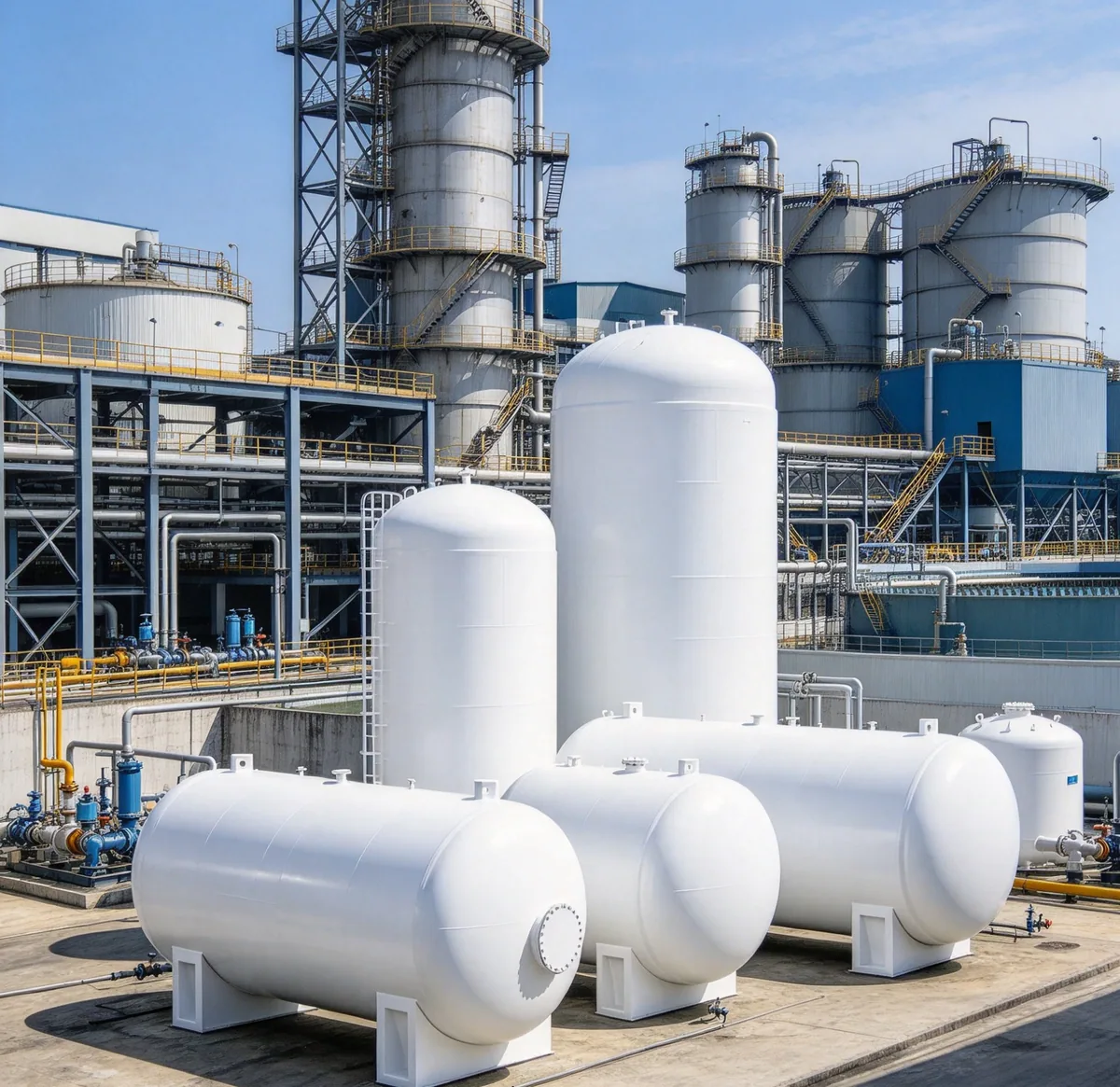
Pressure vessels including compressed air tanks, steam tanks and custom process receivers.
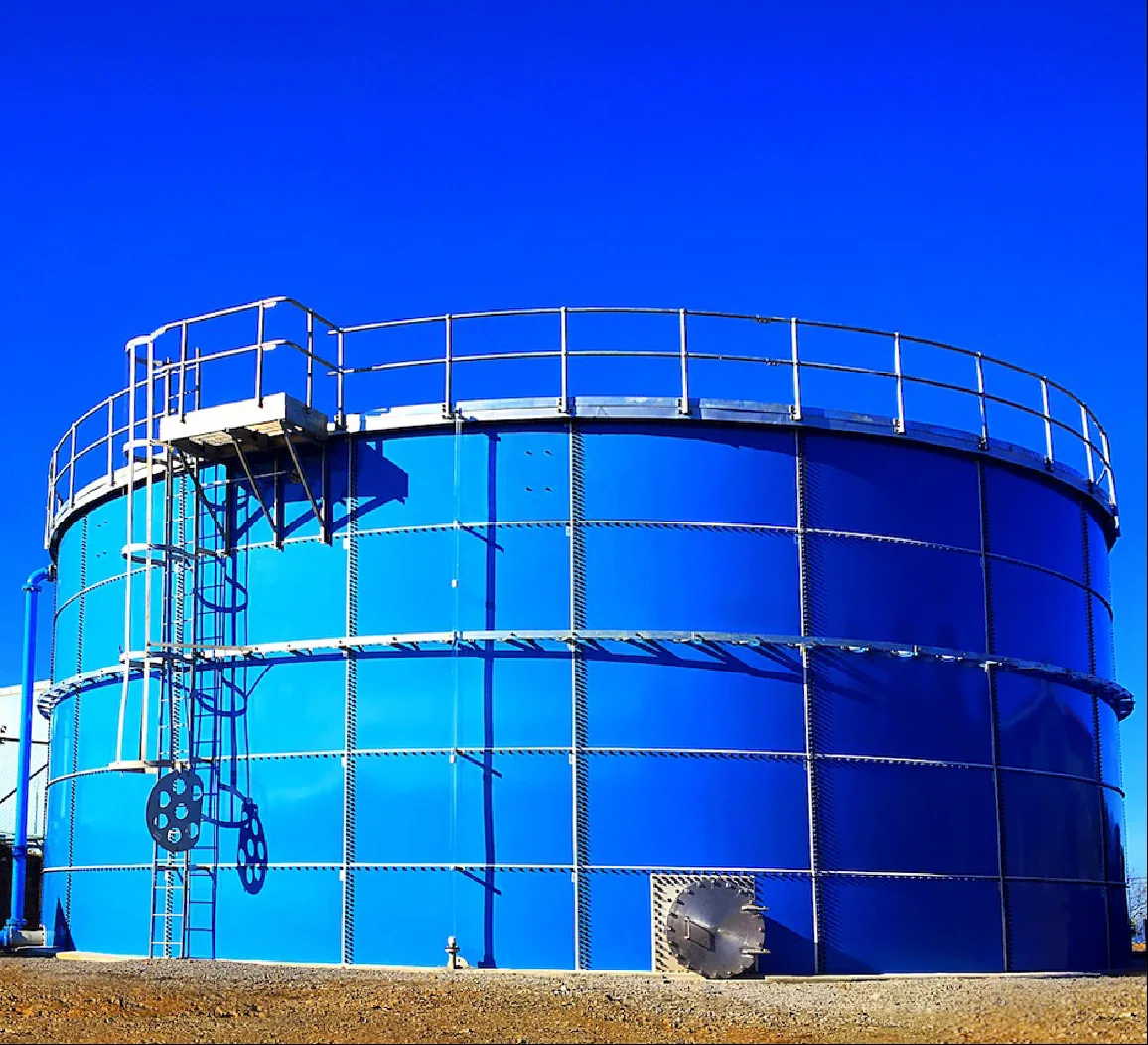
Atmospheric storage tanks for raw materials, finished products, process liquids and water.
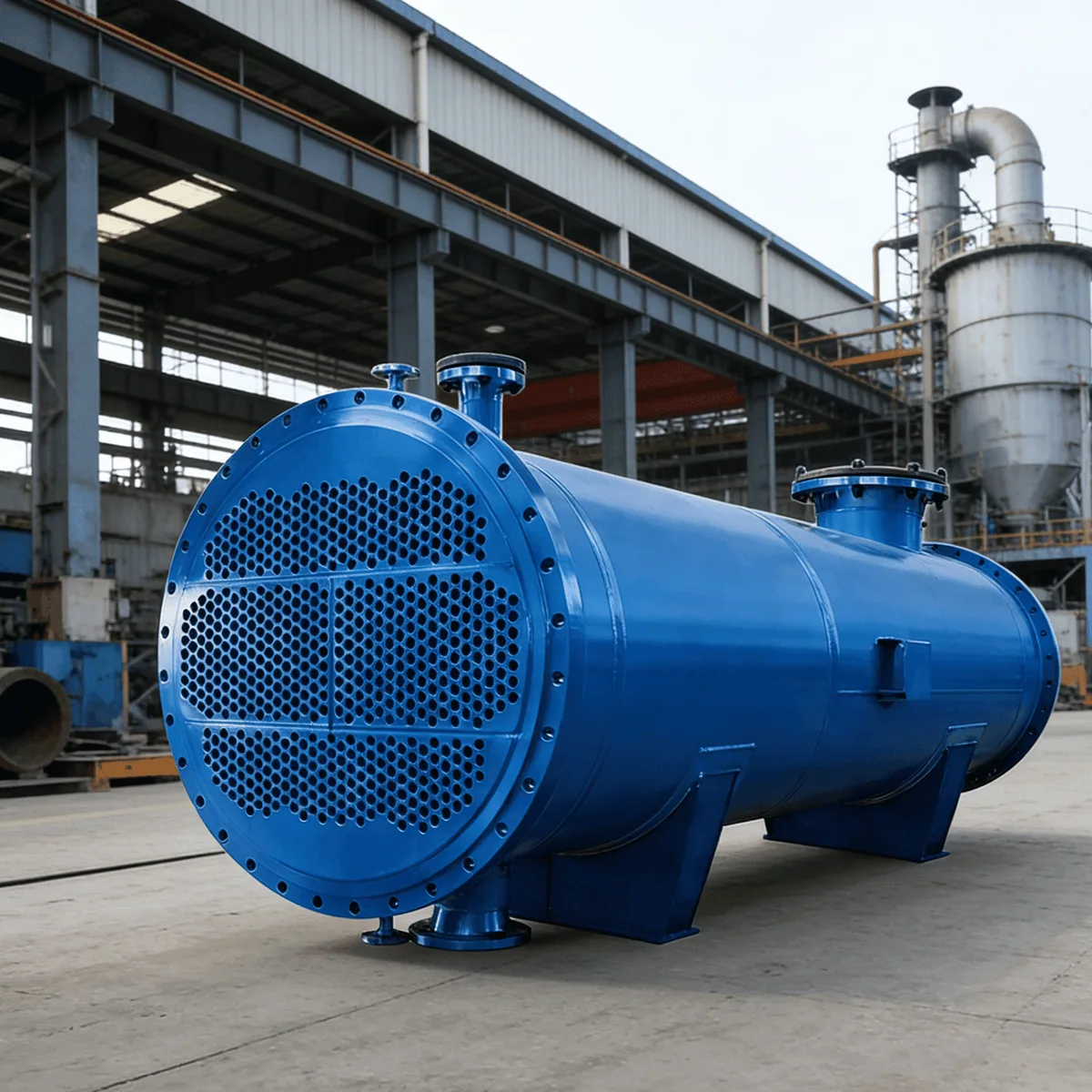
Shell-and-tube heat exchangers for process heating, cooling, condensation and heat recovery.
Share your process medium, design pressure and temperature, volume, preferred design code and material. Our engineering team will review the data and respond with a technical proposal.
Go to Contact Us